Every season, we agree a price with each cooperative's leadership before harvesting begins, not once nuts are already piling up and perishable, which is when a harvester has the least room to negotiate. That price holds even if the export market dips before the shipment sails.
Payment goes directly into the cooperative's bank account, not through a field agent's hand. It's a smaller convenience for us and a meaningfully harder thing to skim from.
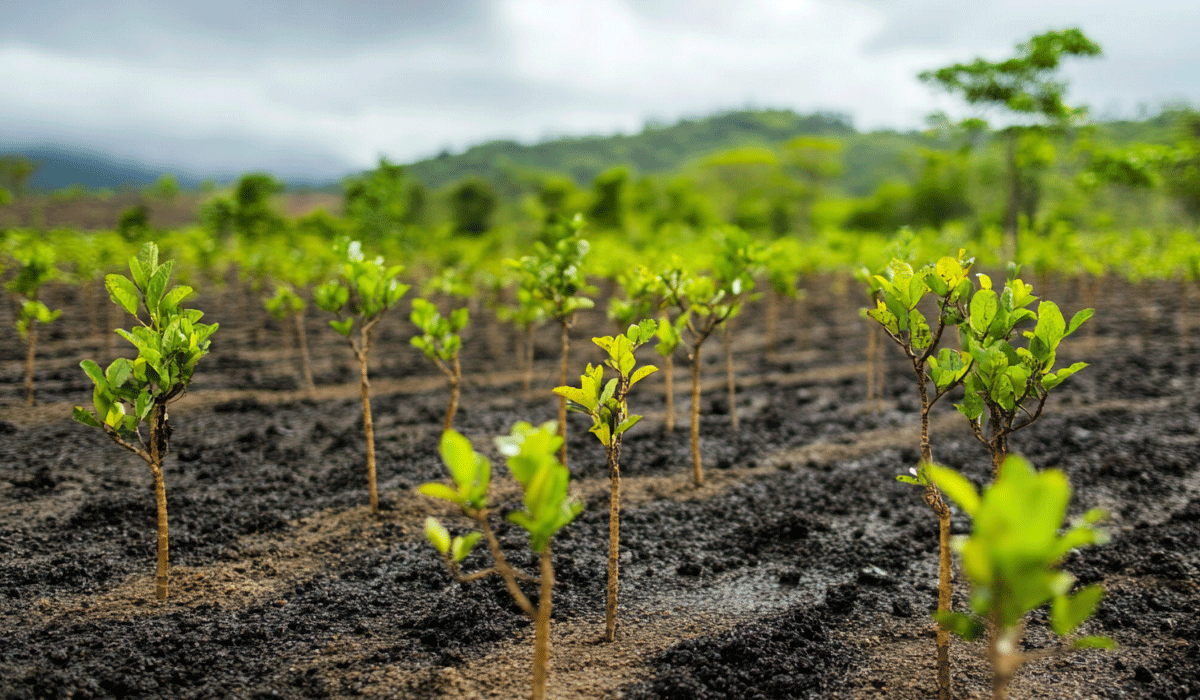
Every shea tree in our supply chain grows wild. Nobody farms shea at scale, because a tree takes 15 to 20 years to bear its first useful harvest, too long a horizon for commercial planting. That makes the parklands entirely dependent on trees that are already standing.
Those parklands are shrinking, cleared for charcoal production and farmland faster than nature replaces them. In 2019 we started a replanting programme with three harvesting communities near Tamale, tracking survival tree by tree rather than reporting a planting number and moving on.

When a batch is tested and cleared for export, the certificate of analysis we issue is logged against the cooperative and harvest window it came from, not just a lot number. If a buyer asks where a specific shipment originated, we can answer in more than a country name.
It's also what keeps us honest internally: if quality or pay practices slip at the cooperative level, it shows up against a name we can call, not an anonymous aggregate.
Export packaging is where a lot of unnecessary waste hides, so we've kept ours deliberately plain. No shrink wrap where a lid seal will do, no printed cartons for bulk drums nobody but customs will ever see.
Our 25kg drums are food-grade steel, not single-use plastic. Buyers on a standing order can return and refill rather than discard.
Where cartons are used for retail-cut soap or lightly refined butter, they're uncoated recyclable board, no laminate to strip before recycling.
Container loads are secured with strapping, not plastic film, added only when a buyer's freight forwarder specifically requires it.